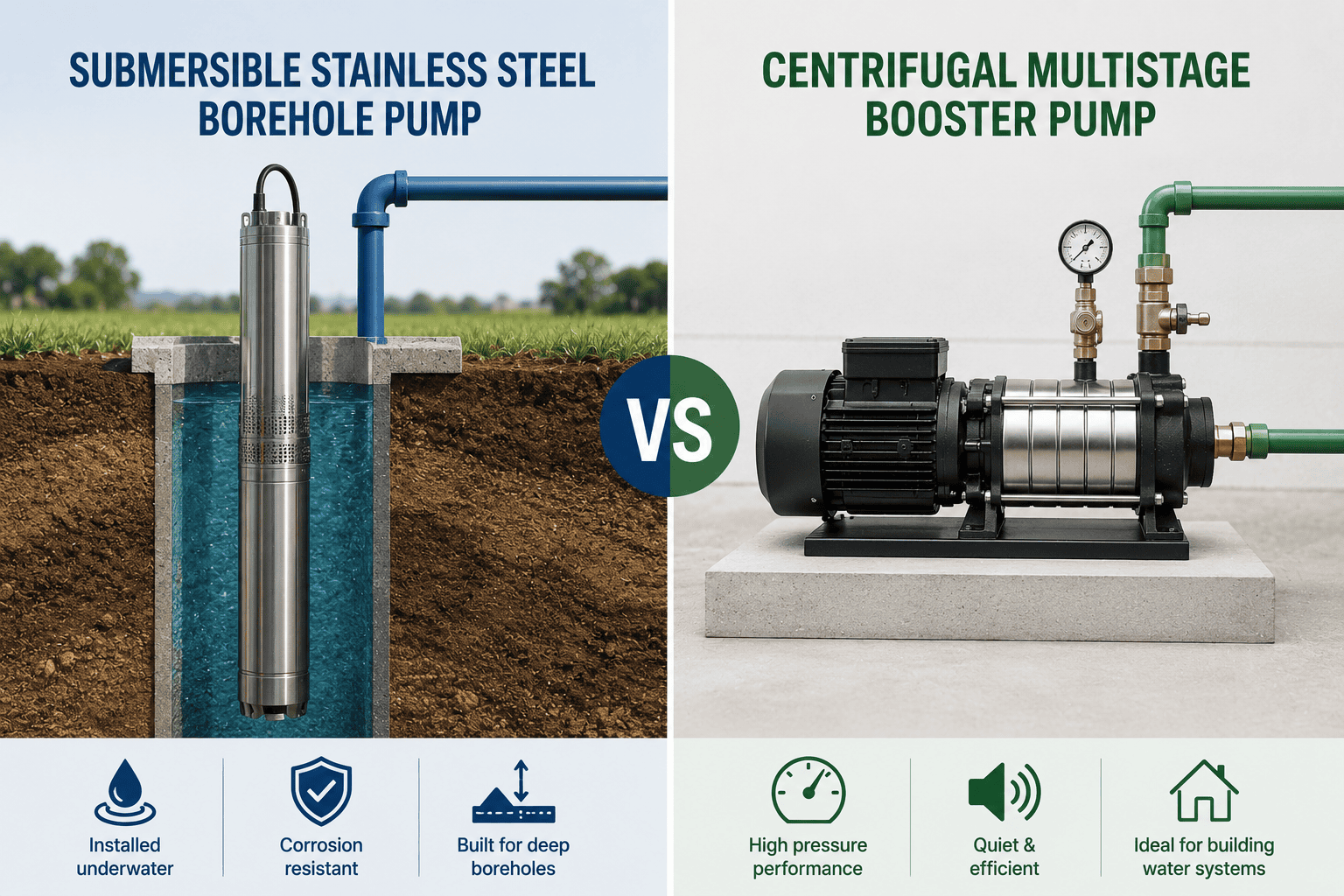
These two pumps get compared a lot, but they’re built to solve two different problems. A submersible stainless steel borehole pump is designed to pull water up from deep underground, while a centrifugal multistage booster pump is designed to increase the pressure of water you already have. Understanding this core difference is the key to choosing the right one for your project.
In this guide, we explain how each pump works, compare them side by side, and help you decide which one fits your specific situation.
What Is a Submersible Stainless Steel Borehole Pump?
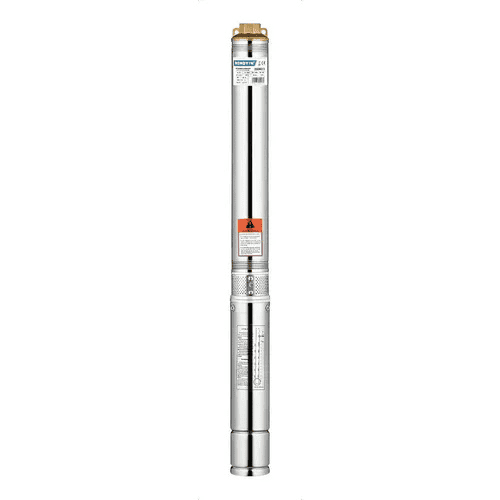
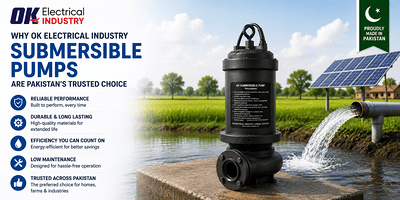
A submersible borehole pump is a sealed pump-and-motor unit that operates fully underwater, lowered directly into a borehole or tube well. Because it sits below the water level and pushes water upward rather than trying to suck it up from above, it has no practical depth limit — these pumps regularly lift water from 30 meters down to over 300 meters. The stainless-steel construction is especially important here, since the pump sits in direct, constant contact with groundwater that may carry sand, minerals, or slightly corrosive chemistry, and needs to resist that exposure for years without failing.
- Best for: extracting groundwater from a borewell for the first time, before it ever reaches the surface.
What Is a Centrifugal Multistage Booster Pump?
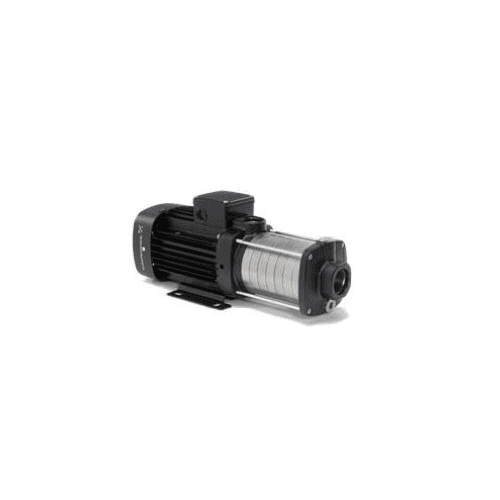
A centrifugal multistage booster pump sits above ground and increases the pressure of water that’s already available — whether that’s from a tank, a municipal line, or the outlet of a borehole pump. It works by passing water through several impellers in a row (called stages), with each stage adding more pressure before sending the water to the next one. This makes it the standard choice whenever water pressure alone is the problem, rather than getting water up from underground in the first place.
- Best for: boosting pressure to taps, sprinklers, upper floors of a building, or the far end of a long pipeline.
Side-by-Side Comparison
Here is a detailed comparison table covering the key differences between these two pump types.
| Feature | Submersible Stainless Steel Borehole Pump | Centrifugal Multistage Booster Pump |
|---|---|---|
| Where it sits | Fully submerged underwater, inside the borehole or well | Mounted above ground, on the surface near the water source or pipeline |
| Main job | Lifts water up from deep underground sources to the surface | Increases (boosts) the pressure of water already available at or near the surface |
| Depth capability | Built for deep extraction, from 30 meters down to 500+ meters | Limited by suction lift, since it draws water rather than sitting in it; not designed for deep well extraction |
| Priming required | No priming needed — already sits in the water | Needs priming before startup, since it must draw water up into itself first |
| Material construction | Stainless steel casing and impellers resist corrosion and sand abrasion in borehole conditions | Often stainless steel or cast iron construction, chosen for surface durability rather than submersion resistance |
| Cooling | Cooled naturally by the surrounding groundwater | Cooled by ambient air; needs adequate ventilation around the installation |
| Noise level | Very quiet, since the pump and motor are underwater and underground | More audible, since it operates in the open air above ground |
| Maintenance access | Harder to access — the entire unit must be pulled out of the borehole for inspection or repair | Easy to access — sits at ground level, simple to inspect, service, and repair |
| Typical use case | Extracting groundwater from a borewell or tube well for the first time, before it reaches the surface | Boosting existing water pressure for taps, sprinklers, multi-story buildings, or long pipeline runs |
| Energy efficiency | Generally efficient, since it pushes water rather than pulling it, with minimal suction losses | Efficient for its purpose, but not designed to lift water from significant depth |
| Upfront cost | Typically higher, due to submersible-grade sealing and corrosion-resistant materials | Generally lower for a comparable flow rate, since it doesn’t need waterproof sealing |
Which Should You Choose, and Why?
- Choose a submersible stainless steel borehole pump if: your water source is underground and you need to lift it to the surface for the first time — a borewell, tube well, or deep aquifer. There’s no substitute for a submersible pump at real depth.
- Choose a centrifugal multistage booster pump if: your water is already at or near the surface (a tank, a municipal connection, or the discharge of a borehole pump) and the problem is weak pressure, long distance, or elevation — like supplying upper floors of a building or the far end of a sprinkler line.
In many real installations, you’ll use both together: a submersible borehole pump to bring groundwater up from depth, feeding into a storage tank, followed by a multistage booster pump to push that water through the building or field at the pressure you need. Neither pump replaces the other — they solve different halves of the same water supply chain.
Important Note: Pump and Pipe Size Will Vary by Site
This comparison covers general pump types and typical use cases. The exact pump horsepower, number of stages, and pipe size needed for your project will depend on your site’s borehole depth, water table, required flow rate, and elevation. Always calculate or confirm your exact pump and pipe sizing based on your site’s actual requirements or consult a pump professional before making a final purchase.
Frequently Asked Questions
Need Help Choosing the Right pump?
For more detail or personalized advice on choosing the right pump system for your home or farm, contact us:
- Visit our website: okelectricalind.com
- Contact us on WhatsApp: +92 300-4282378 or +92 321-4888188