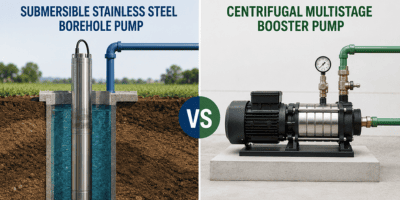
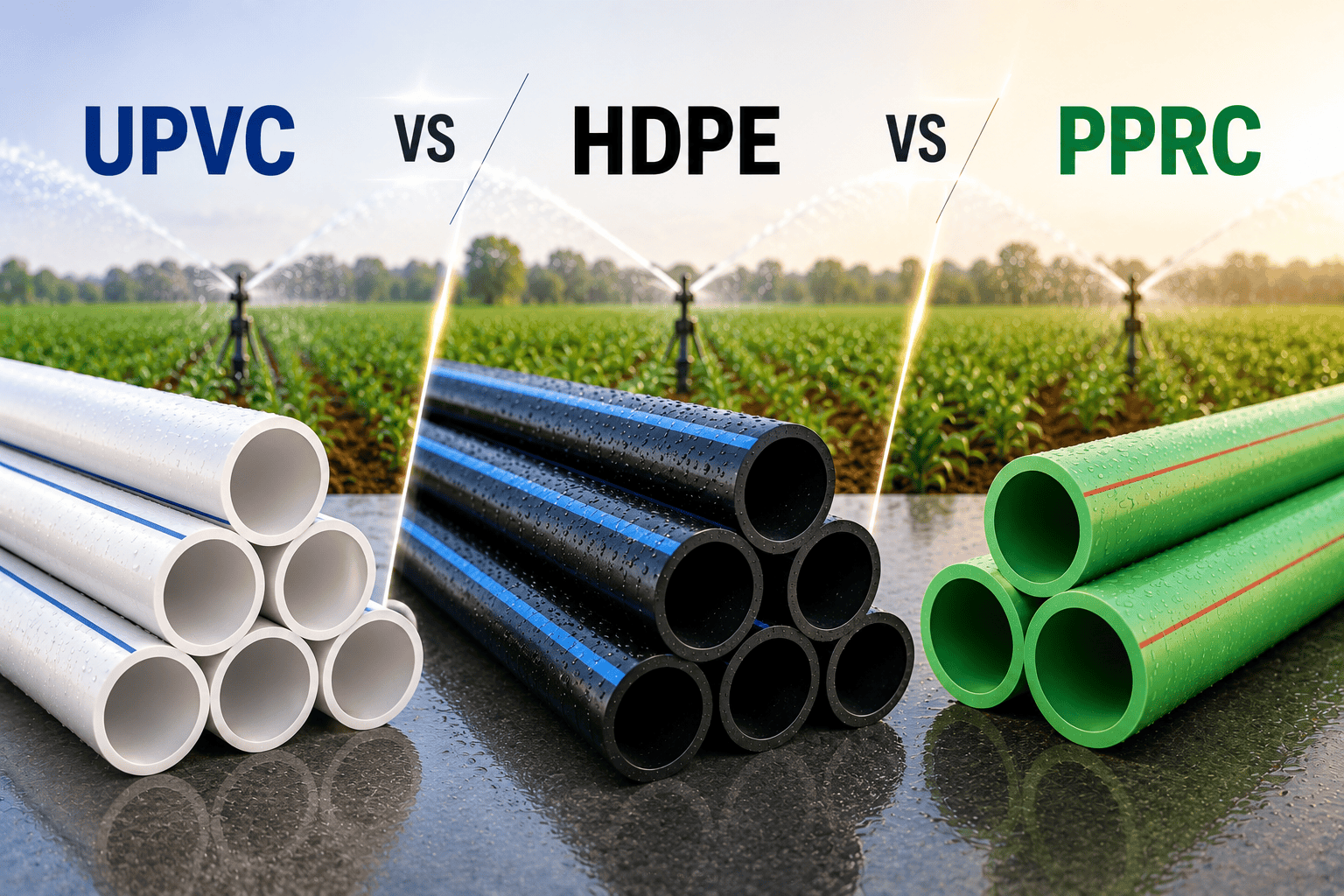
Picking the right pipe for a sprinkler system is just as important as picking the right sprinkler head or pump. The three pipe materials people most often compare for sprinkler and irrigation work are UPVC, HDPE, and PPRC. Each one behaves differently under pressure, heat, sunlight, and ground movement — and using the wrong one can mean cracked pipes, leaks, or a system that doesn’t perform the way it should.
In this guide, we break down what each pipe is, where it fits best in a sprinkler system, and compare them side by side so you can make a confident choice.
UPVC Pipe for Sprinkler Systems
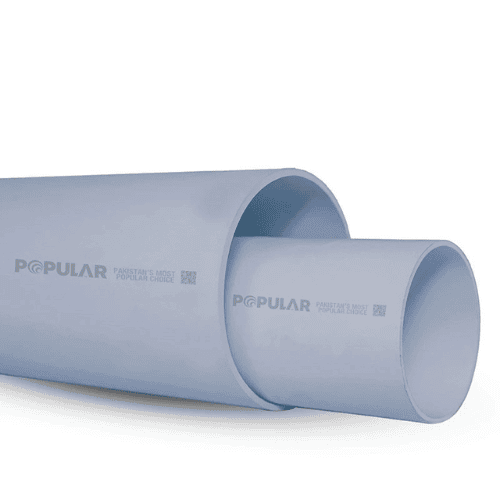
UPVC (unplasticized PVC) is a rigid plastic pipe that has been the standard choice for sprinkler and irrigation main lines for decades. It holds up well under constant water pressure, resists corrosion and most chemicals, and is generally the most affordable option per length of pipe. Because it’s rigid, though, every bend or turn in the layout needs a fitting, which can add labor and material cost on complex layouts.
- Best for: straight main line and sub-main runs from the pump to the field, on stable, flat ground.
- We recommend: Popular or Dadex pipe brand in Pakistan.
HDPE Pipe for Sprinkler Systems
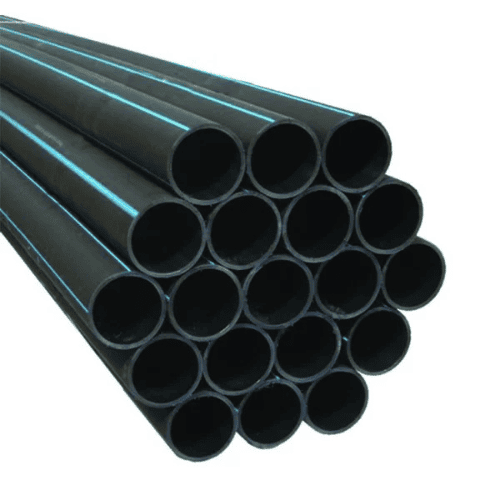
HDPE (high-density polyethylene) pipe is flexible enough to bend around obstacles and follow uneven or shifting ground without cracking, which makes it a strong choice for fields with slopes, rocky soil, or frequent ground movement. Its heat-fused joints are extremely leak-resistant, and it holds up well under direct sunlight over many years. The trade-off is that HDPE typically needs a thicker pipe wall than UPVC to reach the same pressure rating, which can add cost for high-pressure systems.
- Best for: main lines and lateral runs over uneven or unstable ground, borewell risers, and installations exposed to strong sunlight.
- We recommend: Popular or Dadex pipe brand in Pakistan.
PPRC Pipe for Sprinkler Systems
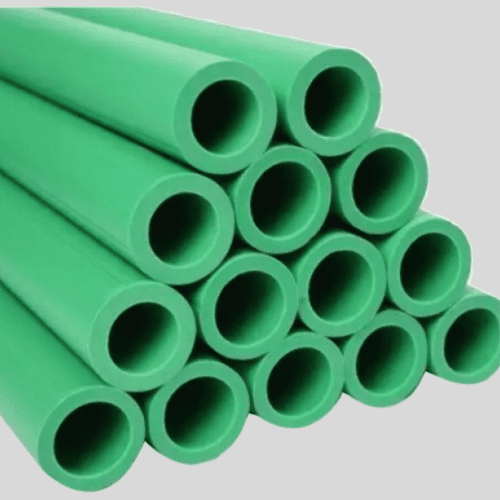
PPRC (polypropylene random copolymer) pipe is best known for handling both hot and cold water, and it’s rarely the first choice for outdoor sprinkler main lines. Where it does show up in a sprinkler setup is around the pump room or building plumbing — for example, connecting to a hot water source, or where the piping needs to meet indoor plumbing codes. It doesn’t rust or scale, and its welded joints are very reliable, but its higher cost and limited outdoor UV resistance make it less practical for long, sun-exposed field runs compared to UPVC or HDPE.
- Best for: indoor or pump-room connections, hot water lines feeding into a system, and areas where UPVC or HDPE aren’t practical.
- We recommend: Popular pipe brand in Pakistan.
UPVC vs HDPE vs PPRC: Side-by-Side Comparison
Here is a detailed comparison table covering the key differences between these three pipe types for sprinkler system use.
| Feature | UPVC Pipe | HDPE Pipe | PPRC Pipe |
|---|---|---|---|
| Material type | Rigid, unplasticized PVC plastic | Flexible, high-density polyethylene plastic | Rigid polypropylene random copolymer plastic |
| Flexibility | Rigid — needs fittings for every bend or turn | Very flexible — bends around obstacles with few fittings | Rigid — needs fittings for bends, like UPVC |
| Typical pressure rating | Widely available in PN6–PN16 classes; holds high static pressure well for its wall thickness | Rated by PN class too, but generally needs a thicker wall than UPVC to match the same pressure rating | Rated up to about PN16–20 in most sprinkler/plumbing-grade pipe, suited to moderate-to-high pressure |
| Temperature tolerance | Cold water only; degrades and weakens at high temperatures | Cold water only; performance can drop in very high heat | Handles both hot and cold water, up to about 95°C |
| UV / sunlight resistance | Can degrade with long-term direct sun exposure unless UV-stabilized | Naturally more UV-resistant; holds up well in exposed, sunny locations | Weakens with prolonged direct UV exposure unless protected or buried |
| Jointing method | Solvent cement (glued) joints or threaded fittings | Heat-fusion welded joints — very leak-resistant, or compression fittings | Heat-fusion welded joints, like HDPE |
| Impact / crack resistance | More prone to cracking under sudden impact or ground movement | Highly impact-resistant and flexible underground movement | More brittle than HDPE; can crack under strong impact |
| Typical role in a sprinkler system | Main line and sub-main pipes from pump to field, especially where a straight, rigid run is practical | Main lines, borewell risers, and lateral runs, especially over uneven or shifting ground | Less common outdoors: mainly used for pump room plumbing or where hot water is involved |
| Installation cost | Lower material cost: more fittings needed for turns and bends | Slightly higher material cost, but fewer fittings and less labor overall | Higher material cost than UPVC; needs heat-fusion equipment to install |
| Typical lifespan | 30–50 years | 50+ years, with strong resistance to weather and ground stress | 50+ years in protected, indoor, or properly insulated conditions |
Which Pipe Should You Choose for Your Sprinkler System?
- Flat, stable fields with straightforward layouts — UPVC offers strong pressure performance at a lower cost.
- Uneven, sloped, or rocky ground — HDPE’s flexibility and impact resistance handle ground movement better.
- Long-term outdoor exposure to strong sunlight — HDPE naturally resists UV damage better than standard UPVC.
- Pump room connections or hot water lines — PPRC is the practical choice where temperature resistance matters.
Many sprinkler systems use a mix — UPVC or HDPE for the main field lines, and PPRC only where the piping connects to indoor plumbing or a hot water source near the pump house.
Important Note: Pipe and Pump Size Will Vary by Site
This comparison covers general material properties and typical use cases for sprinkler systems. The exact pipe diameter, pressure class (PN rating), and pump size needed for your project will depend on your site’s specific water source, field size, elevation changes, and desired sprinkler coverage. Always confirm your exact pipe and pump sizing based on your site’s actual requirements or consult an irrigation professional before making a final purchase.
Frequently Asked Questions About Sprinkler Pipe Materials
Need Help Choosing the Right Pipe for your Sprinkler system?
For more detail or personalized advice on choosing the right pipe for your home or farm, contact us:
- Visit our website: okelectricalind.com
- Contact us on WhatsApp: +92 300-4282378 or +92 321-4888188