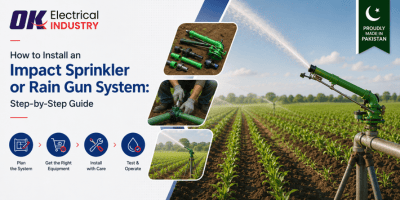
If you are setting up watering for your home lawn, garden, or farm field, one of the first questions you will face is: which type of sprinkler should I use? Understanding the different types of sprinklers for irrigation — impact sprinklers, rain guns, and pop-up sprinklers — will help you choose the right one for your space, budget, and water pressure.
In this guide, we explain each sprinkler type in simple words, compare them side by side, and break down the advantages of each so you can make a confident decision.
1. Types of Sprinklers for Irrigation: Side-by-Side Comparison
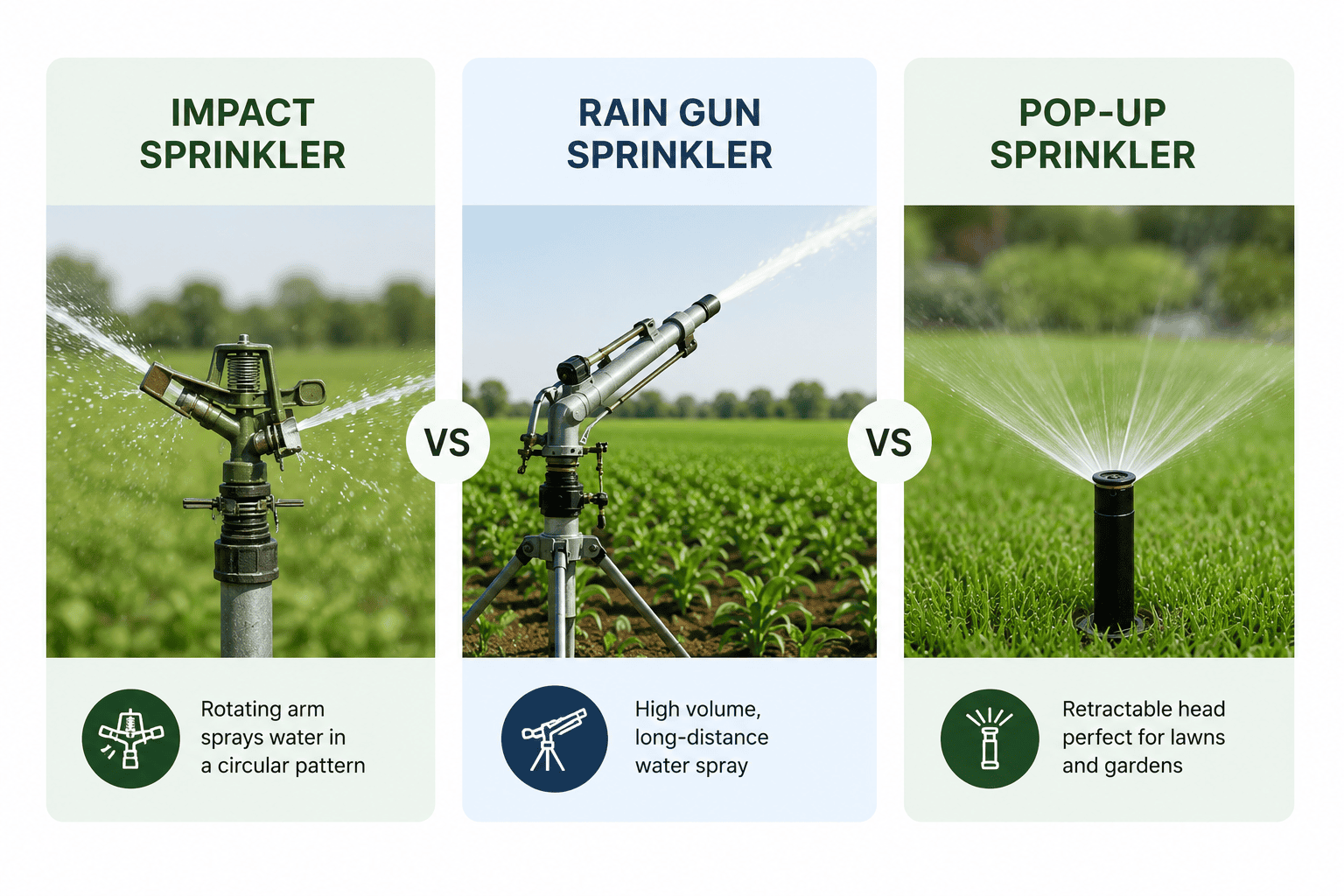
Before we go into detail, here is an easy comparison table showing the key differences between impact sprinklers, rain guns, and pop-up sprinklers.
| Feature | Impact Sprinkler | Rain Gun | Pop-Up Sprinkler |
|---|---|---|---|
| Best for | Medium to large farms, orchards, lawns | Large farms, big open fields, industrial areas | Home lawns, gardens, small parks |
| Water coverage area | Medium (10–20 meters radius) | Very large (20–60+ meters radius) | Small to medium (2–9 meters radius) |
| Water pressure needed | Medium | High | Low to medium |
| How it looks | Sits above ground on a stand or pipe, has a metal arm that “clicks” as it rotates | Big gun-like nozzle, sits on a stand, sprays water in a strong jet | Sits hidden in the ground, pops up only when watering |
| Sound while working | Clicking/ticking sound | Loud spraying/jet sound | Almost silent |
| Appearance when off | Visible all the time | Visible all the time | Invisible — sinks back into the ground |
| Water droplet size | Medium droplets | Large droplets, more like rain | Fine mist to medium droplets |
| Common use | Crop fields, orchards, large gardens | Sugarcane fields, dusty industrial yards, big farms | Home lawns, golf courses, parks |
| Cost | Medium | Higher (bigger machine, more water needed) | Lower per unit, but needs pipe network |
| Maintenance | Easy, few moving parts | Needs regular checking of nozzle and bearings | Needs occasional cleaning of pop-up head |
2. Advantages of Impact Sprinklers and Rain Guns
Impact sprinklers and rain guns are both designed for big spaces — farms, orchards, and open fields. Here is why farmers and landowners choose them for agricultural irrigation.
Advantages of Impact Sprinklers
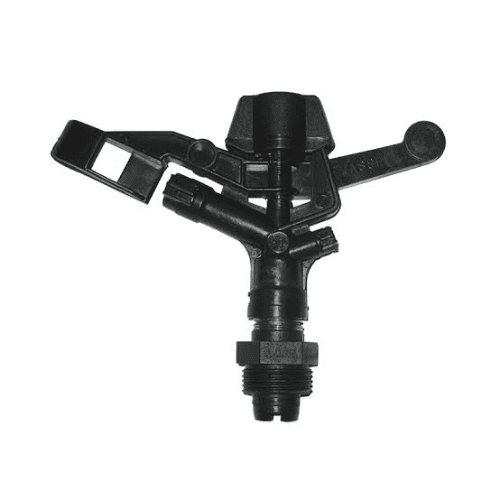
- Covers a good distance — works well for medium to large areas without needing too many units.
- Even water spread — the rotating arm spreads water evenly in a circle.
- Durable and simple — fewer parts break down since the design is simple and mechanical.
- Affordable — cheaper than rain guns, good for small to medium farms.
- Easy to adjust — you can often control the angle and spread of water.
Advantages of Rain Guns
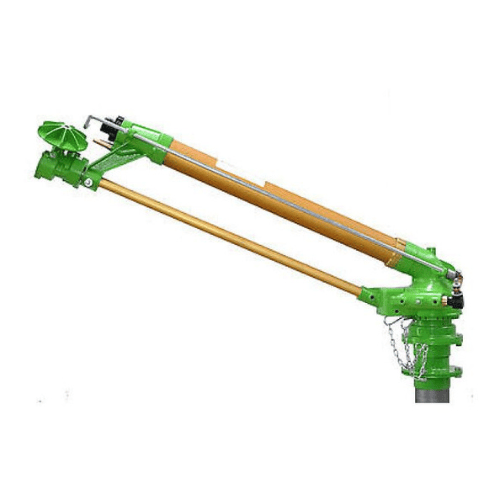
- Massive coverage area — one rain gun can water a huge field, cutting down the number of sprinklers you need.
- Strong water force — good for crops that need heavy watering, like sugarcane or wheat.
- Saves labor — fewer machines mean less time spent moving and setting up sprinklers.
- Good for dusty or open areas — often used on industrial sites or big farms to settle dust and water crops at the same time.
- Works well with high-pressure pumps — ideal where farms already have strong water pumps installed.
3. Advantages of Pop-Up Sprinklers
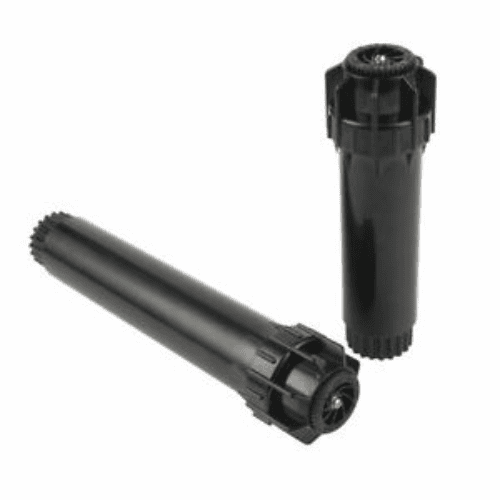
Pop-up sprinklers are the most common choice for home lawns and gardens. Here’s why homeowners prefer this type of sprinkler for everyday irrigation:
- Hidden when not in use — the sprinkler head sinks back into the ground, so your lawn looks clean and tidy, and you won’t trip over it while mowing.
- Quiet operation — no clicking or loud spraying noise, perfect for homes and quiet neighborhoods.
- Neat and even watering — great for smaller, defined areas like lawns, flower beds, or small gardens.
- Safe for kids and pets — since it stays underground when off, there is nothing sticking out to cause injury.
- Works with automatic timers — easy to connect with a smart irrigation controller so your lawn gets watered even when you are not home.
- Low water pressure needed — works fine with normal home water supply, no special pump required.
- Variety of spray patterns — many pop-up sprinklers let you choose full circle, half circle, or strip patterns to match your garden’s shape.
Which Type of Sprinkler Should You Choose?
- Home lawn or garden — go with pop-up sprinklers — they are quiet, hidden, and easy to automate.
- Medium-sized farm or orchard — an impact sprinkler is a solid, affordable choice.
- Large farm or open field with strong water pressure — a rain gun will save you time and give you the widest coverage.
Choosing the right sprinkler comes down to the size of your space, your water pressure, and your budget. Once you know these three things, picking between an impact sprinkler, rain gun, or pop-up sprinkler becomes much easier.
Frequently Asked Questions About Sprinkler Types
Need Help Choosing the Right Sprinkler?
For more detail or personalized advice on choosing the right sprinkler system for your home or farm, contact us:
- Visit our website: okelectricalind.com
- Contact us on WhatsApp: +92 300-4282378 or +92 321-4888188