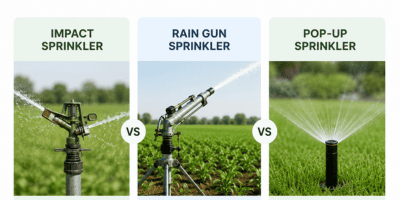
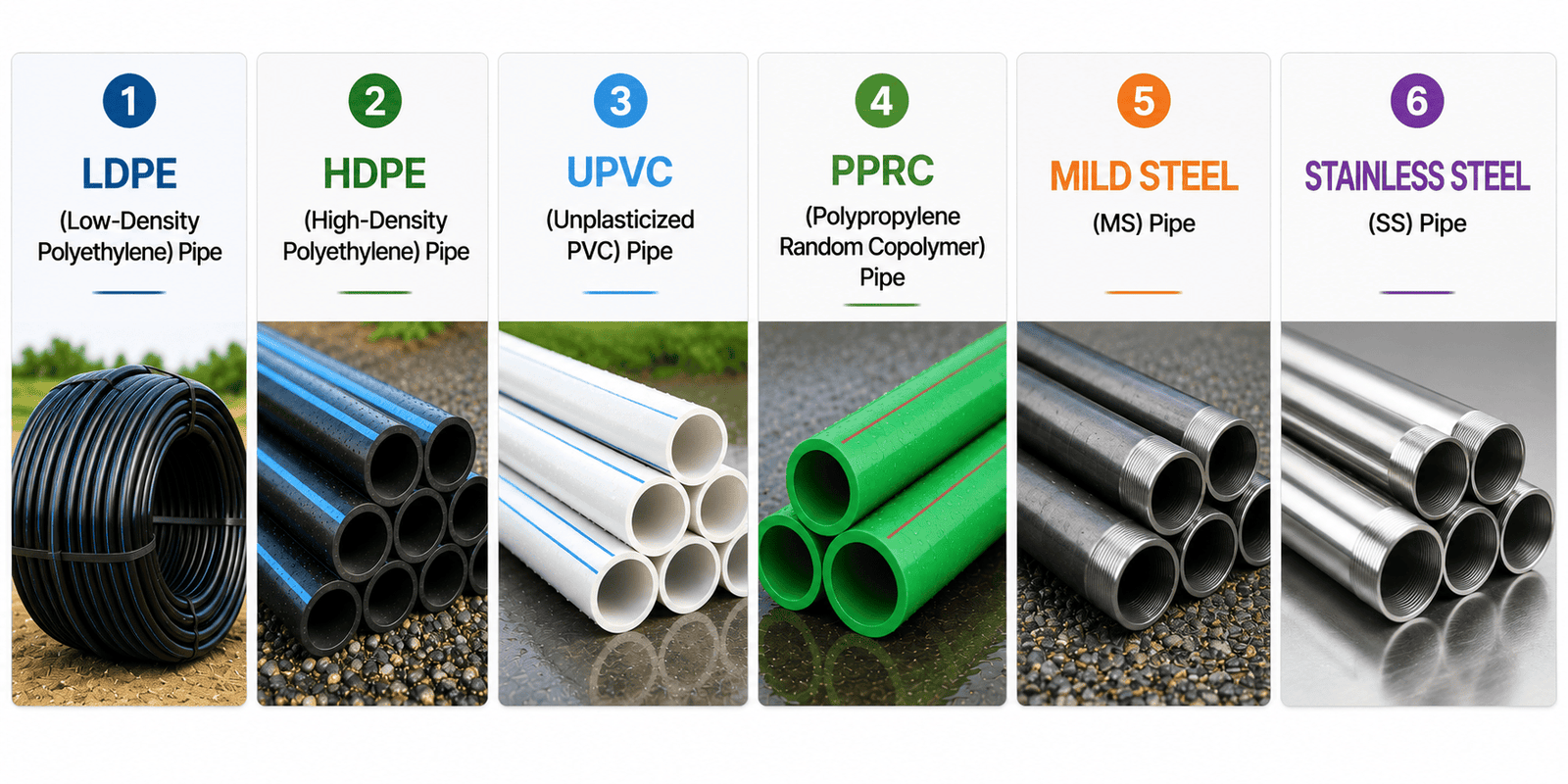
Choosing the right pipe for a water system is just as important as choosing the right pump or sprinkler. Different pipe materials handle pressure, temperature, and chemicals differently, and using the wrong one can led to leaks, rust, or a shorter system lifespan.
In this guide, we explain six common types of pipes used for water — LDPE, HDPE, UPVC, PPRC, mild steel, and stainless steel — what each one is best used for and compare their advantages and disadvantages side by side so you can choose the right pipe for your project.
1. LDPE (Low-Density Polyethylene) Pipe
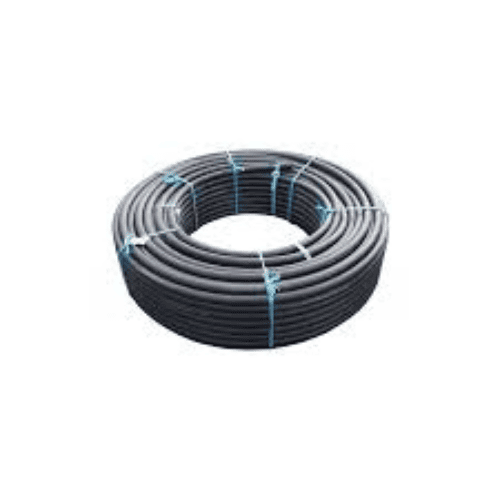
- Common use cases: drip irrigation lines, small-scale garden watering, low-pressure water transfer.
2. HDPE (High-Density Polyethylene) Pipe
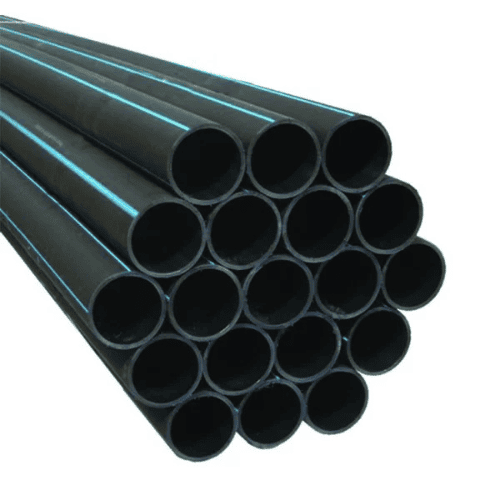
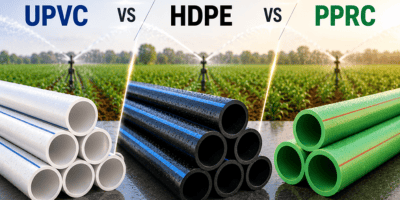
- Common use cases: farm and field main lines, borewell risers, water distribution networks, trenchless (no-dig) pipe installation.
3. UPVC (Unplasticized PVC) Pipe
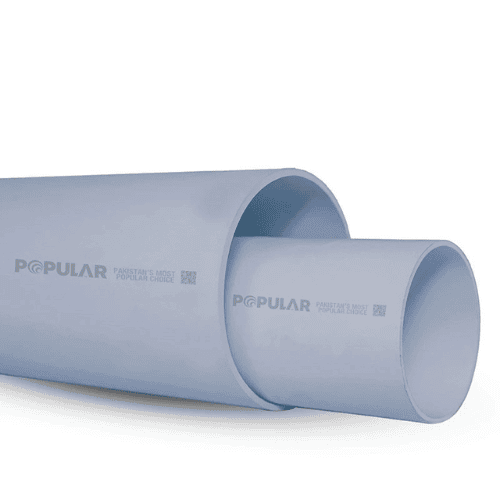
- Common use cases: cold water supply lines, borewell casing, agricultural water distribution, drainage systems.
4. PPRC (Polypropylene Random Copolymer) Pipe
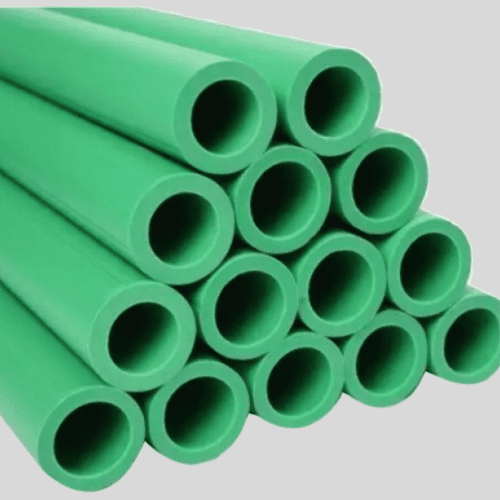
- Common use cases: hot and cold water plumbing in homes and hotels, underfloor heating systems, hospitals and food-processing facilities where clean water matters.
5. Mild Steel (MS) Pipe
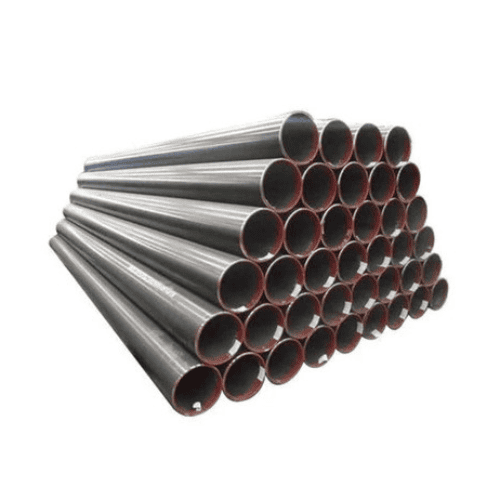
- Common use cases: fire protection and hydrant systems, structural piping, non-drinking water transport, HVAC systems.
6. Stainless Steel (SS) Pipe
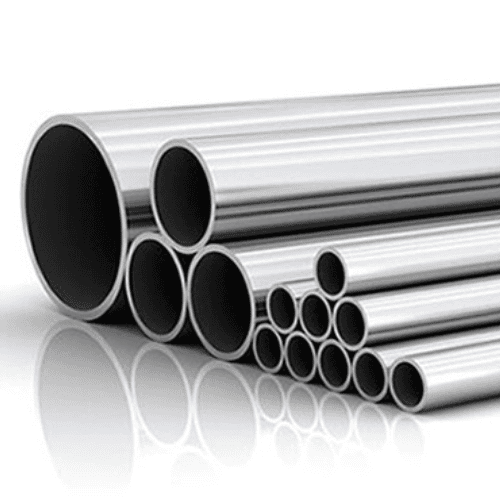
- Common use cases: drinking water supply, food and beverage processing, hospitals, high-pressure or high-corrosion environments.
Side-by-Side Comparison: Advantages and Disadvantages
Here is an easy comparison table showing the advantages and disadvantages of each pipe type.| Pipe Type | Advantages | Disadvantages |
|---|---|---|
| LDPE | Very flexible, easy to bend around corners; lightweight; low cost; good for low-pressure use | Low pressure and temperature rating; can crack under UV/sunlight exposure over time; not for high-pressure mains |
| HDPE | High strength for a plastic pipe; resists chemicals and corrosion; flexible enough for trenchless installation; long lifespan (50+ years); welded joints are leak-proof | Needs thicker walls than PVC for the same pressure rating, adding cost and reducing flow area; can be damaged by long-term exposure to certain hydrocarbons in soil; expensive equipment needed for joints |
| UPVC | Rigid and strong; excellent chemical and corrosion resistance; lightweight and easy to transport; long service life (30–50 years); affordable compared to metal pipes | Not suitable for hot water or high-temperature use; can become brittle in very cold conditions or under UV exposure if not protected; more prone to cracking under sudden impact than HDPE |
| PPRC | Handles both hot and cold water (up to about 95°C); does not rust, scale, or react with chemicals in water; heat-fusion joints are leak-proof; low thermal conductivity keeps hot water hot and cold-water cold | Higher cost than PVC or mild steel; fewer sizes and fitting options available; brittle under strong impact; expands noticeably with heat, needing extra support when installed above ground |
| Mild Steel (MS) | Strong and rigid; handles high pressure well; easy to weld and join; lower cost than stainless steel | Rusts and avoids when exposed to water over time, which can contaminate water quality; needs regular maintenance and eventual replacement; not recommended for drinking water |
| Stainless Steel (SS) | Excellent corrosion resistance; very durable and long-lasting; safe and hygienic for drinking water; strong and holds up to high pressure; attractive, professional appearance | Much higher cost than other pipe types; heavier and harder to transport and install; needs special tools and skilled labor to weld and fit; can be scratched, affecting appearance over time |
Which Pipe Should You Choose?
- Small garden or drip irrigation — LDPE is flexible, cheap, and easy to work with.
- Farm main lines or trenchless installation — HDPE offers strength and leak-proof welded joints.
- General cold-water supply — UPVC is affordable, corrosion-resistant, and widely available.
- Hot and cold-water plumbing — PPRC handles temperature changes safely without rusting or scaling.
- Structural or non-drinking water use — mild steel offers strength at a lower cost, provided it isn’t used for drinking water.
- Drinking water or hygiene-critical applications — stainless steel is the safest, most durable, though more expensive, choice.
Important Note: Pipe and Pump Size Will Vary by Site
The information in this guide covers general material properties and typical use cases. The exact pipe size, wall thickness, and pump capacity required for your specific project will vary depending on your site’s water source, pressure requirements, distance, elevation, and intended use. Always calculate or confirm your exact pipe and pump sizing based on your site’s actual requirements or consult an irrigation or plumbing professional before making a final purchase.Frequently Asked Questions About Water Pipe Types
Need Help Choosing the Right Pipe to buy?
For more detail or personalized advice on choosing the right pipe and equipment for your home or farm, contact us:- Visit our website: okelectricalind.com
- Contact us on WhatsApp: +92 300-4282378 or +92 321-4888188